Pre Owned Luxury Cars A Smart Buyers Guide
A brand-new luxury sedan can easily run six figures, but the same model two or three years old, with the same leather seats and the same badge on the hood, often sells for a fraction of that. Luxury vehicles depreciate fast in their early years, and that steep drop-off works entirely in the used buyer’s favor. Get the shopping process right, and a pre-owned luxury car delivers nearly all the comfort and prestige of a new one — for real savings, not marginal ones.
Why the Used Luxury Market Makes Sense
Luxury cars lose value faster than mainstream models during their first few years on the road, largely because so much of their price tag comes from cutting-edge tech and premium materials that age out of “new” status quickly. A car that cost well over $60,000 new can drop to half that within a few years, even though the leather, the engine, and the technology inside haven’t changed. That gap is exactly why so many buyers skip the new-car markup entirely and shop used instead.
What You Actually Gain by Buying Used
The obvious win is price — you get the same comfort, the same styling, and the same features for meaningfully less money. But there’s more to it than just the sticker. Used luxury cars have already absorbed the steepest part of their depreciation curve, so they hold their value more steadily from here on, which protects your investment if you plan to resell down the line. The used market also opens up far more choice: instead of picking from whatever’s on a dealer’s new-car lot, you can compare different model years, trims, and price points side by side until you find the exact combination that fits your budget.
Brands Worth Considering
BMW built its reputation on sporty, engaging handling — the 3 Series, 5 Series, and X5 remain popular used picks for drivers who want performance alongside luxury.
Mercedes-Benz leans harder into comfort and prestige, with the C-Class, E-Class, and GLE consistently ranking among the most sought-after used luxury vehicles.
Audi stands out for cutting-edge cabin technology and clean, modern design — the A4, A6, and Q5 are common choices for buyers who want their tech to feel current even in an older model year.
Lexus has built its name on dependability. If reliability matters more to you than outright sportiness, the ES, RX, and GX are worth a close look.
Acura rounds things out as the value play — genuine luxury features at a lower price point, with the TLX, MDX, and RDX offering a lot of car for the money.
How to Actually Choose the Right One
Start with a real budget — not just the purchase price, but taxes, registration, and a realistic estimate of future maintenance too. From there, think honestly about what you need day to day: Are you hauling kids and gear, or driving solo most of the time? Do you need extra cargo space, or does fuel economy matter more? Those answers narrow the field faster than browsing listings ever will.
Once you’ve got a shortlist, resist the urge to rush. Compare a few different vehicles side by side on price and features, and spend some time reading owner reviews — they tend to surface the recurring problems a dealer’s listing conveniently leaves out.
What to Inspect Before You Buy
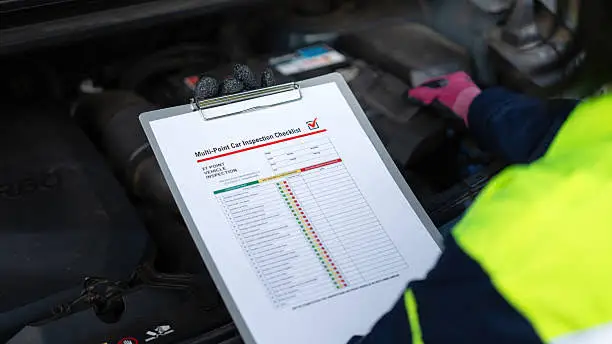
A vehicle history report tells you the story a listing photo can’t — prior accidents, flood damage, how many owners it’s had, and whether service was kept up consistently. Pair that with the actual maintenance records if the seller has them; a well-documented service history is one of the strongest signals that a car has been cared for properly.
Beyond the paperwork, walk the car yourself. Check the exterior for scratches, dents, rust, or mismatched paint that might hint at prior bodywork. Go through the interior too — seats, dashboard, controls, screens, carpet — since worn interiors often signal higher mileage or rougher use than the odometer suggests. And never skip the test drive. Listen for anything that sounds off, pay attention to how the steering and brakes feel, and trust your gut if something doesn’t sit right.
Certified pre-owned (CPO) vehicles add an extra layer of confidence here — these have passed a dealer inspection covering key mechanical and safety points, and many come bundled with a warranty that a standard used purchase wouldn’t include.
SUV or Sedan? It Depends on What You Actually Need
Luxury SUVs — think Lexus RX, Acura MDX, BMW X5, Audi Q5, or Mercedes-Benz GLE — win on space: more passengers, more cargo room, and a commanding view of the road that makes them a natural fit for families or anyone who regularly hauls gear.
Luxury sedans — the BMW 3 Series, Audi A4, Lexus ES, Mercedes-Benz C-Class, Acura TLX — trade some of that space for better fuel economy, easier parking, and a smoother, more refined ride that tends to suit commuters and solo drivers better.
The Costs That Show Up After You Buy
The purchase price is only step one. Fuel costs can run higher than expected, especially on models with larger engines built for performance rather than efficiency. Maintenance is non-negotiable too — oil changes, tire rotations, brake inspections, and battery checks all need to stay on schedule to keep the car running the way it should. Repairs tend to cost more on luxury vehicles simply because the parts themselves are pricier, which is exactly why a thorough pre-purchase inspection pays for itself. And insurance is worth quoting before you buy, not after — luxury vehicles often carry higher premiums than comparable mainstream cars.
Finding a Genuinely Good Deal
Patience pays off here. Shop around across multiple sellers rather than settling for the first listing that looks decent — prices for the same model can vary more than you’d expect. Online listings make this comparison fast, letting you scan dozens of options in the time it’d take to visit one dealer in person. Timing matters too; dealers often discount inventory during sales events, so watching the calendar can save real money. And don’t be afraid to negotiate — most sellers expect it, and a lower price is often just an ask away.
Warning Signs Worth Walking Away From
A few red flags should make you pause, or walk, no matter how good the price looks. Missing service records make it impossible to verify how well the car was actually maintained. Strange noises during the test drive usually mean a repair bill in your near future. Any hint of water damage — musty smell, water stains under carpets, corroded electronics — can point to expensive, hard-to-fully-fix problems. Active dashboard warning lights should never be waved off as “probably nothing.” And a price that seems dramatically lower than comparable listings is rarely a lucky find — it’s usually hiding something.
Features Worth Prioritizing
Beyond brand and body style, a few features genuinely improve day-to-day ownership. On the safety side, look for backup cameras, blind-spot monitoring, parking sensors, and automatic emergency braking. For comfort, leather seating, heated seats, strong climate control, and a genuinely quiet cabin make a noticeable difference on longer drives. And on the tech front, Bluetooth, built-in navigation, smartphone connectivity, and a responsive touchscreen round out a vehicle that still feels current even a few years into its life.
Keeping It Running for the Long Haul
A little consistency goes a long way with a luxury vehicle. Stick to regular oil changes, follow the manufacturer’s service schedule instead of stretching intervals to save money, and check tire pressure routinely — it affects both safety and fuel economy. Washing the vehicle regularly protects the paint and finish over time, and fixing small issues as soon as they appear almost always costs less than waiting until they become bigger repairs.
A Quick Reference
| Model | Type | Main Strength |
|---|---|---|
| Lexus RX | SUV | Reliability |
| BMW 3 Series | Sedan | Sporty driving |
| Audi Q5 | SUV | Modern technology |
| Mercedes C-Class | Sedan | Comfort |
| Acura MDX | SUV | Family space |
| Check This | Why It Matters |
|---|---|
| Service Records | Confirms proper maintenance history |
| Tires | Signals how well the car was cared for |
| Brakes | Directly affects safety |
| Engine | Helps avoid costly surprise repairs |
| Interior | Reflects overall condition and use |
| Exterior | Reveals prior damage or bodywork |
| Test Drive | Surfaces issues a listing won’t show |
| History Report | Confirms accidents and ownership record |
The Bottom Line
Pre-owned luxury cars offer a genuine middle ground — the comfort, styling, and technology of a premium vehicle, without the punishing depreciation hit that comes with driving one off a new-car lot. The savings are real, but they only hold up if you shop carefully: pull the vehicle history, inspect it thoroughly, and never skip the test drive. Get those steps right, and you’ll end up with a luxury driving experience that costs a lot less than the badge on the hood would suggest.
Frequently Asked Questions
What exactly counts as a pre-owned luxury car? Any luxury vehicle that’s had at least one previous owner and is being resold on the used market.
Are used luxury cars actually reliable? Generally yes, provided they’ve been properly maintained — which is exactly why service records matter so much.
Which luxury brand has the best reputation for reliability? Lexus is widely regarded as one of the most dependable choices in the segment.
Do luxury cars really lose value that fast? Yes — most of the steepest depreciation happens in the first few years of ownership.
Is a certified pre-owned (CPO) luxury car worth the extra cost? Often yes, since it typically includes a dealer inspection and some form of warranty coverage.
What mileage should I be comfortable with on a used luxury car? Lower mileage helps, but a documented maintenance history matters more than the odometer number alone.
Should I get a professional inspection before buying? Definitely — an independent inspection can catch issues a casual look-over would miss entirely.
Is a luxury SUV a better choice than a sedan? It comes down to your needs — SUVs win on space, sedans typically win on fuel economy and ride refinement.
What’s the best way to find a genuinely good deal? Compare multiple sellers, research the specific model thoroughly, and don’t hesitate to negotiate.
What should I check first before making an offer? Start with the vehicle history report and maintenance records — they tell you more than a walk-around ever will.